
Preparing for the Quantum Age: An Overview of Post-Quantum Cryptography

Jim Walker
General Manager, Service Delivery
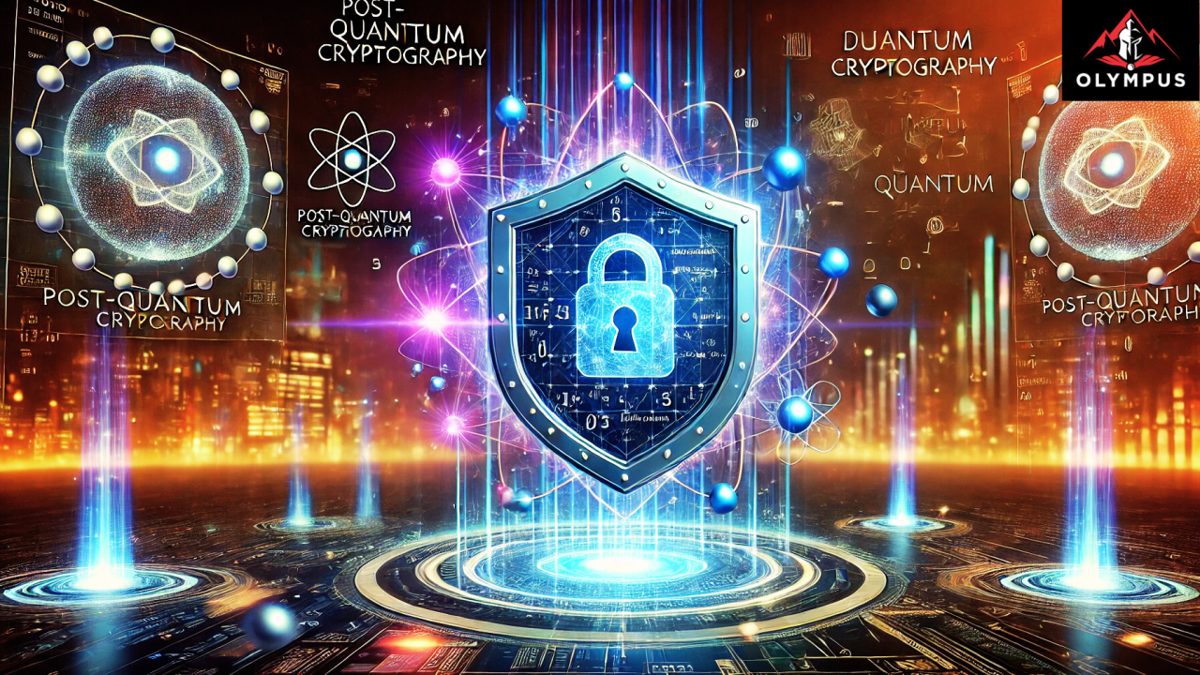
Quantum computing is on the horizon, promising revolutionary capabilities that could change everything from healthcare to artificial intelligence. But with this game-changing power comes a serious challenge for data security: classical encryption — the foundation of our digital world — could soon be at risk. As we move closer to the quantum age, we need a new level of security: Post-Quantum Cryptography (PQC). Below, we'll explore what PQC is, why it matters, and how organizations can prepare for the future.
What is Post-Quantum Cryptography?
In simple terms, Post-Quantum Cryptography (PQC) is about designing encryption that can hold its ground against quantum-powered attacks. Traditional encryption methods, like RSA or ECC, rely on math problems that are way too tough for today's computers. But quantum computers? They're a different story. With their unique abilities, they could make short work of these systems. PQC algorithms are designed to resist these future quantum attacks, helping us secure data far into the future — even when quantum computers become mainstream.
The Quantum Threat to Classical Encryption
Quantum computing could put public-key encryption, such as RSA, ECC, and DSA, in jeopardy. Algorithms like Shor's could eventually break these methods in no time once quantum computers reach a certain power. This means that sensitive data being encrypted today might be at risk if bad actors start archiving it, planning to unlock it later with quantum technology. Industries with long data retention, like finance, healthcare, and government, are particularly exposed.
Getting Ready for the Quantum Era: Essential Steps for Organizations
To stay ahead, organizations need a plan. Here are some practical steps for making sure your data remains secure as quantum technology develops:
- 1 Evaluate Your Encryption: First, take stock of your current cryptographic setup. Identify every encryption dependency and note any weak spots that could become issues in a quantum world.
- 2 Embrace Crypto Agility: This is the idea of making your system flexible enough to switch cryptographic algorithms without a big overhaul. Crypto agility ensures you're ready to adapt as PQC standards evolve, keeping changes smooth and minimizing disruption.
- 3 Stay Updated on PQC Standards and Solutions: Keep tabs on PQC developments from organizations like NIST, which is actively selecting standardized algorithms for the quantum era. Start testing these new algorithms in a non-critical environment to get a feel for how they perform and integrate.
- 4 Build PQC Knowledge Across Your Team: Educate your team on PQC, so they're ready to work with quantum-resistant encryption. This knowledge will ease the transition as PQC solutions become part of your strategy.
Why Crypto Agility is a Must
Crypto agility isn't just a buzzword — it's a smart approach to staying nimble in a constantly changing environment. By designing systems that can adapt to new encryption standards without major overhauls, organizations can avoid the high costs and disruptions of constant change. A crypto-agile architecture helps future-proof your data security, making it easier to keep up with PQC advancements and ensuring a smoother transition when the time comes.
Long-Term Benefits of Adopting PQC
There's more to PQC than just security — it offers a range of strategic benefits that go beyond encryption:
- Data Protection for the Long Haul: PQC keeps industries with long data lifecycles, like healthcare and intellectual property, secure for decades to come.
- Regulatory Compliance and Risk Reduction: Adopting PQC early can help you get ahead of upcoming regulatory requirements as governments start incorporating quantum-resilient cryptography.
- A Competitive Edge: By adopting PQC, forward-thinking organizations can reassure clients and stakeholders about their commitment to security, building trust in a world where data protection is a top priority.
Conclusion
Post-Quantum Cryptography isn't just a defensive measure; it's a way to future-proof data security.
By understanding the risks of quantum computing, embracing crypto agility, and preparing for PQC, organizations can confidently secure their data and take a forward-looking approach to digital security. The quantum age may be on its way, but with the right steps, organizations can stay protected, resilient, and ready for whatever comes next.
Originally published on LinkedIn.
Read the original on LinkedIn